
Why Founders Need Public Speaking Skills for Social Media
The same communication skills that make executives effective in TV interviews and keynote speeches are now driving success on LinkedIn, Instagram, and TikTok.
Laura Podesta
7/23/20263 min read
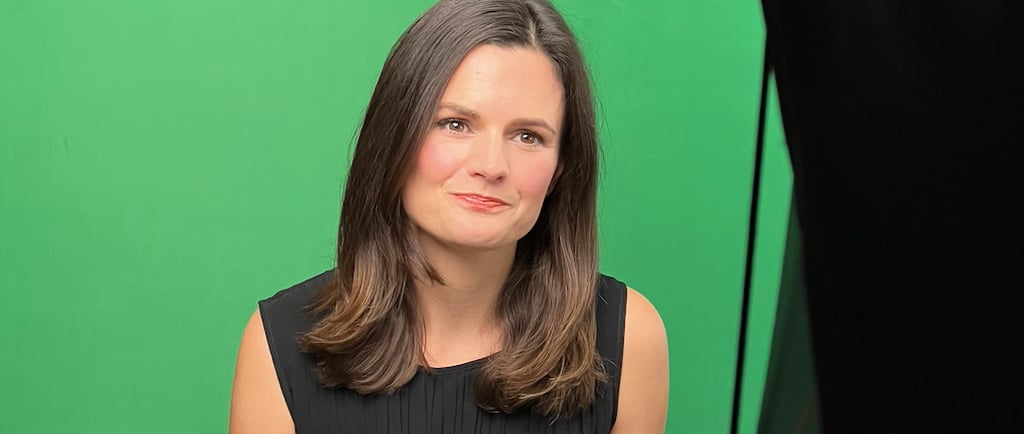
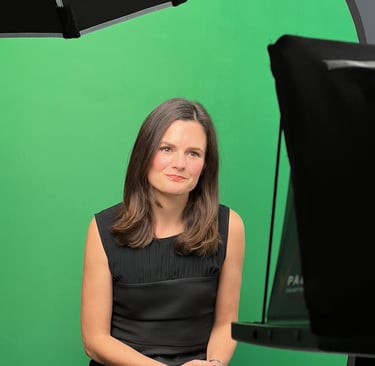
For years, public speaking meant standing behind a podium, speaking at a conference, or sitting across from a television anchor.
Today, one of the most important stages is your smartphone.
A fascinating article reported by Melissa Daniels of Modern Retail this week highlights a trend I've been seeing firsthand in my media training sessions: founders are increasingly becoming creators. According to the article, 73% of small business owners now identify as "creators," and short-form video delivers the highest ROI of any visual format, according to HubSpot's latest State of Marketing Report.
None of this surprises me.
In fact, more and more of my clients aren't asking how to prepare for a television interview. They're asking how to communicate effectively on LinkedIn, or how to record a compelling Instagram Reel, or how to speak confidently on camera for their company's social channels.
The platform has changed.
The communication skills haven't.
Public speaking isn't just for conference stages anymore
Many executives assume that speaking to a camera is easier than speaking to a live audience. It's often the opposite. When you're alone in front of a camera, there's no audience giving you feedback. No applause. No nodding heads. No interviewer asking the next question. You have to create energy, clarity, and connection all by yourself.
That's why the same techniques I teach executives preparing for national television interviews also work remarkably well for social media:
Clarify your core message before you hit record.
Lead with one memorable idea (not 5!)
Speak conversationally instead of sounding scripted.
Show genuine enthusiasm for your topic.
Keep your answers concise.
Remember that people connect with people, not corporate jargon.
Whether you're speaking to a reporter or recording a 45-second LinkedIn video, your audience is asking the same question:
"Should I trust this person?"
The rise of the founder as spokesperson
Audiences increasingly expect to hear directly from company leaders. They don't just want polished marketing campaigns. They want to hear the founder explain why the company exists. They want the CEO reacting to industry news. They want behind-the-scenes stories.
That's exactly what Modern Retail describes: founders are increasingly stepping into the role of creator because audiences respond to authenticity and expertise more than polished corporate messaging.
Ironically, becoming a better "creator" has less to do with learning social media algorithms and far more to do with becoming a better communicator.
Media training has evolved
When I worked as a national television correspondent, media training was primarily about preparing executives for interviews with journalists.
Today, those same skills extend far beyond traditional media.
Executives still need to prepare for television interviews, podcasts, investor presentations, keynote speeches, earnings calls, and crisis communications.
But increasingly, they also need to know how to turn on a camera and speak confidently to thousands of people scrolling through social media.
That's why I see media training as something much bigger than interview preparation; it's learning how to communicate clearly whenever people are listening, whether that's one journalist, a room of 500 people, or 500,000+ followers online.
The best founder videos don't feel like advertisements
They feel like conversations.
The founders who consistently earn trust aren't trying to go viral. They're teaching, explaining, sharing what they've learned, answering questions, and speaking with the same confidence and 'conversationality' (not that that's a word) as if you'd bumped into them over coffee. That's public speaking! It's just happening on a different stage.
Final thought
As more business leaders embrace a "creator identity," I think we'll stop separating media training, public speaking, and social media strategy.
They're all part of the same skill set: communicating clearly enough that people understand you, trust you, and remember what you said.
Work With Laura Podesta
Laura Podesta conducts media trainings over zoom and in person, in New York City and the surrounding metro area. As a former national correspondent for CBS News, she has trained executives, founders, and spokespeople to deliver high-stakes messages with clarity and confidence.
Her approach focuses on three core pillars: Preparation, Presence, and Pause
Sessions include:
mock interviews with real-time feedback
on-camera performance coaching
message refinement
strategies for handling difficult questions
Available for virtual sessions and in-person training in NYC.
Join the mailing list for public speaking tips, exclusive offers, and updates.
© 2025. All rights reserved.