
Treat Social Media Like Real Media
A warning from the case study of the McDonald's CEO's "nibble" of a newly launched burger.
Laura Podesta
4/24/20262 min read
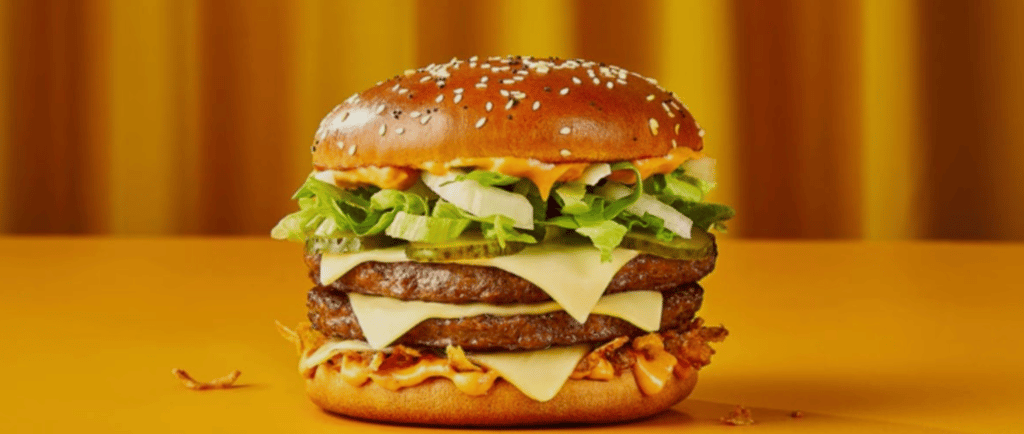

I was recently asked by a journalist at PR.co to weigh in on a viral moment many have heard about: McDonald's CEO was filmed for Instagram promoting the company’s new “Big Arch” burger, but the way he spoke about the food (calling it a “product”) and the less-than-enthusiastic way he took a nibble drew scrutiny across the internet.
I’m quoted in the article saying, “Every on-camera moment must be approached from the viewer’s perspective. In this case, the customer’s perspective. It’s imperative that the exec asks themselves as they’re putting together a script or preparing to ad-lib: one, who am I speaking to, and two, what do I want them to understand?”
“In this case, the CEO’s goal should have been simple: make customers crave the new burger! Instead, by not finishing the burger right then and there, it came across as not very craveable.”
Of course, some are hailing the virality of the video as a success. The PR.co article notes that the CEO’s personal Instagram grew by 30%, and the video generated over 157,000 likes.
MarketWatch estimates the “McNibble” video created at least $18 million in free publicity and boosted Big Arch burger sales above expectations.
While it’s clear the video delivered results (driving reach, engagement, and even sales) that doesn’t mean the takeaway is “any press is good press.” Virality can mask underlying disconnects, and over time, audiences get sharper at spotting what feels off.
When media training for authentic delivery is done well, you don’t just get a spike in attention, you build trust that compounds long after the moment passes.
This is exactly what I focus on with my clients. I don’t try to script CEOs into sounding perfect. I help them sound like themselves, but sharper. We pressure-test their core message, translate it into natural language, and rehearse it in mock scenarios so it holds up whether they’re on a live broadcast for CNBC or TODAY or filming a quick social clip.
When the camera turns on, they’re immediately focused on who they’re speaking to and what they want that audience to feel and understand. That’s where authenticity comes through.
Join the mailing list for public speaking tips, exclusive offers, and updates.
© 2025. All rights reserved.