
What happens in a media training session?
Answers to some of the most frequently asked questions about media training.
Laura Podesta
4/30/20263 min read
What Happens in a Media Training Session?
A strong media training session is always tailored to the individual. Perhaps it’s a founder trying to explain a new product in a way that actually makes people care. Or it’s a university researcher translating years of complex work into something that a general audience can follow. Sometimes it’s an executive preparing to go on CNBC to explain why AI isn’t about to wipe out their business.
The scenarios are different, but the challenge is the same: how do you take what you know and make it land with people who don’t live in your world?
Here’s what you can typically expect.
1. Message Development
You’ll define:
your key messages
what you want an audience to remember
how to articulate complex ideas simply
This becomes your foundation for every interview.
2. On-Camera Practice
How you show up on camera matters just as much as what you say.
We’ll refine the details people often overlook—framing, background, lighting, and sound quality—because those elements shape how your message is received before you’ve even spoken.
From there, we move quickly into practice.
You’ll go through simulated interviews designed to feel as close to the real thing as possible. Some are conversational and easy. Others are more skeptical. Some move quickly, with follow-ups that force you to think and respond in real time.
Everything is recorded, so you can see exactly how you come across: what’s working, what’s not, and where small adjustments can make a meaningful difference.
3. Feedback and Refinement
You’ll receive targeted feedback on:
pacing and tone
body language and presence
how well your message came through
The goal isn’t perfection. It’s control and consistency under pressure.
4. Handling Difficult Questions
One of the most valuable parts of training is learning how to respond when things get uncomfortable.
You’ll practice:
staying composed
pivoting language to bridge back to your message
answering without over-explaining
maintaining credibility without sounding defensive
Common Mistakes Beginners Make
Even highly experienced professionals struggle with the same issues at first:
Over-explaining
Experts often know too much. The challenge is making ideas accessible, not comprehensive.
Speaking too quickly
Nerves tend to speed everything up, which makes it harder for audiences to follow.
Avoiding the question
Trying to dodge a question entirely can damage trust. The skill is addressing it while still guiding the conversation.
Sounding scripted
Audiences can tell when something feels rehearsed. Effective media training helps you sound natural while staying intentional.
What Makes a Great Media Trainer?
Not all training is created equal.
Look for someone who:
understands how journalists think
offers practical, on-camera training
can adapt sessions to your specific goals
For example, someone with experience at news organizations brings a fundamentally different perspective than someone who has only worked behind the scenes in PR.
When Should You Do Media Training?
Many people wait until they have a big interview scheduled.
That’s often too late.
The best time to invest in media training is:
before a major announcement
when stepping into a more visible role (CEO, founder, spokesperson)
ahead of a product launch or funding round
during periods of rapid growth or scrutiny
Final Thought
Media training isn’t about turning you into someone else. It’s about making sure that when you speak, your ideas are clear and compelling. Because in today’s landscape, it’s not just what you know that matters. It’s how well you can communicate it when the spotlight is on.
Work With Laura Podesta
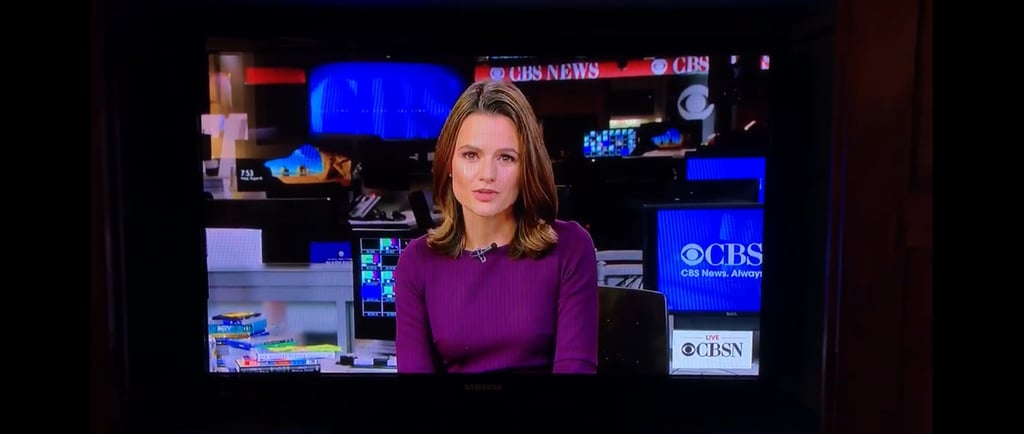
Laura Podesta conducts media trainings over zoom and in person, in New York City and the surrounding metro area. As a former national correspondent for CBS News, she has trained executives, founders, and spokespeople to deliver high-stakes messages with clarity and confidence.
Her approach focuses on three core pillars: Preparation, Presence, and Pause
Sessions include:
mock interviews with real-time feedback
on-camera performance coaching
message refinement
strategies for handling difficult questions
Available for virtual sessions and in-person training in NYC.
Join the mailing list for public speaking tips, exclusive offers, and updates.
© 2025. All rights reserved.